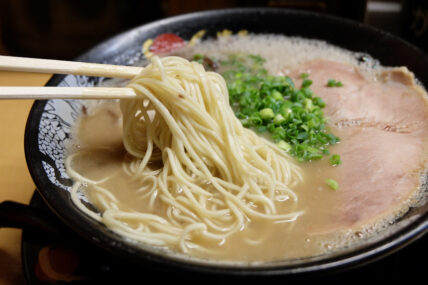
Why is there an Oil Layer on Ramen? Understanding “Yumaku”
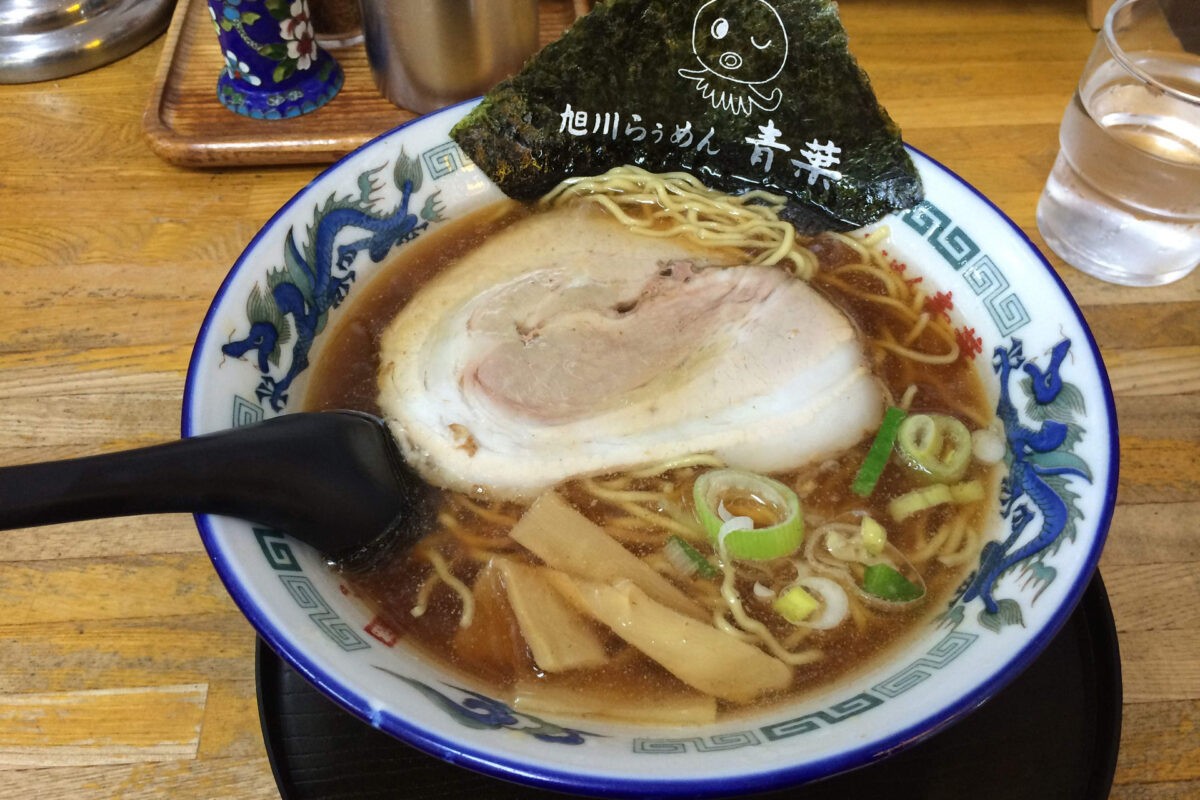
When you look at a bowl of Japanese ramen, you might notice a shimmering, transparent layer reflecting light on the surface of the soup. In Japanese, this is called “Yumaku” (油膜), which literally translates to “oil film” or “oil layer.”
Depending on the shop, this layer consists of various fats such as lard (pork fat), seabura (back fat), chiyu (chicken oil/schmaltz), or kami-yu (flavored oil infused with vegetables and aromatics).
The primary purposes of the oil layer are heat retention, adding richness, and enhancing the aroma. By coating the surface, the oil acts as an insulator, keeping the soup piping hot. Flavored oils also add a distinctive fragrance that complements the broth.
While “Yumaku” is a general Japanese term for any oil film, in the culinary world, it refers to this essential golden topping. To someone with a sensitive tongue (known as nekojita or “cat tongue” in Japan), ramen with a thick oil layer can be dangerously hot!
目次
Regional Variations: Asahikawa Ramen
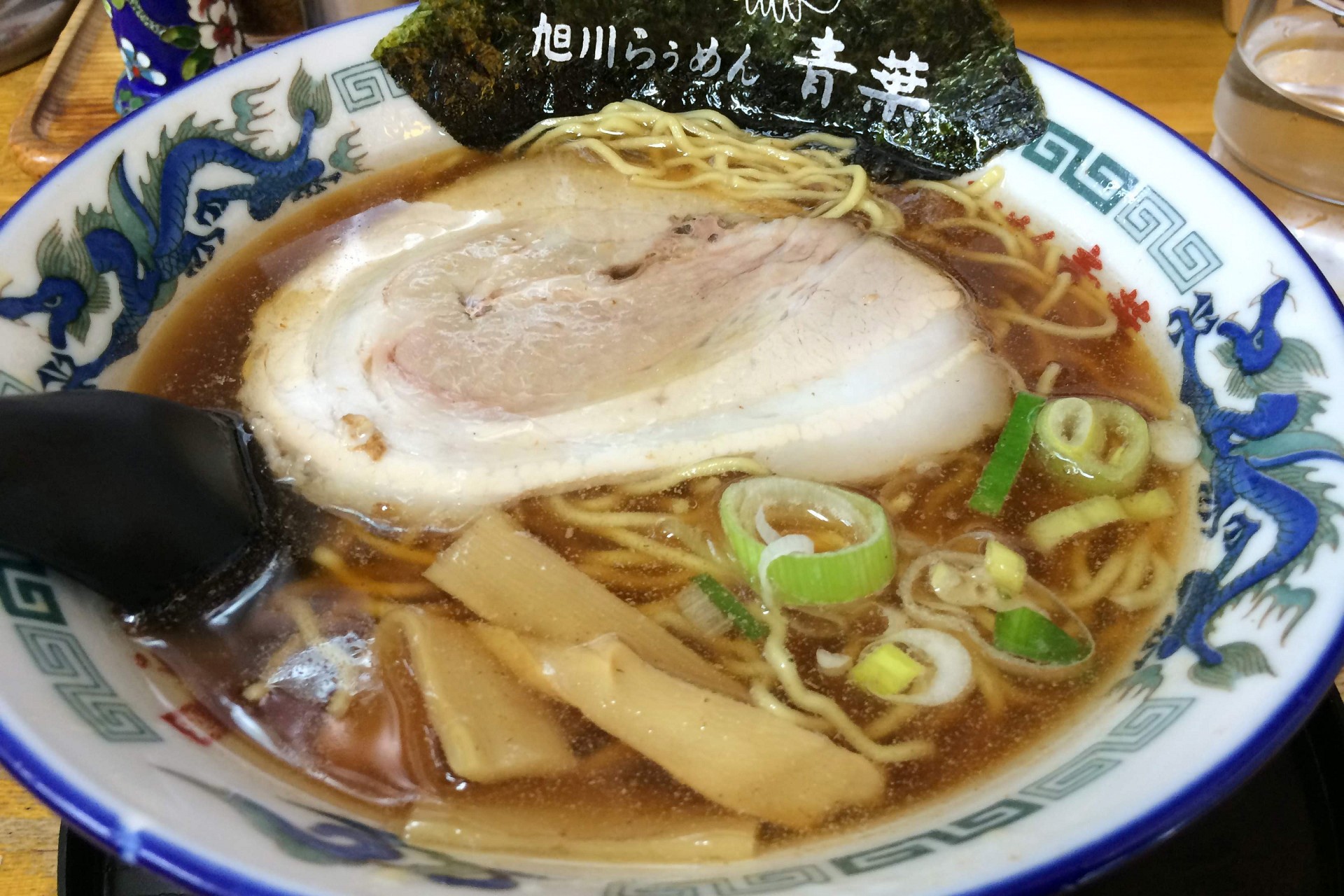
One of the most famous examples of a heavy oil layer is Asahikawa Ramen from Hokkaido. Asahikawa is located in northern Japan, a region known for extreme cold and heavy snow. To prevent the soup from cooling down instantly in the freezing climate, shops began adding a thick layer of lard to keep the bowl hot until the very last drop.
The “Iekei” Style and Chicken Oil (Chiyu)
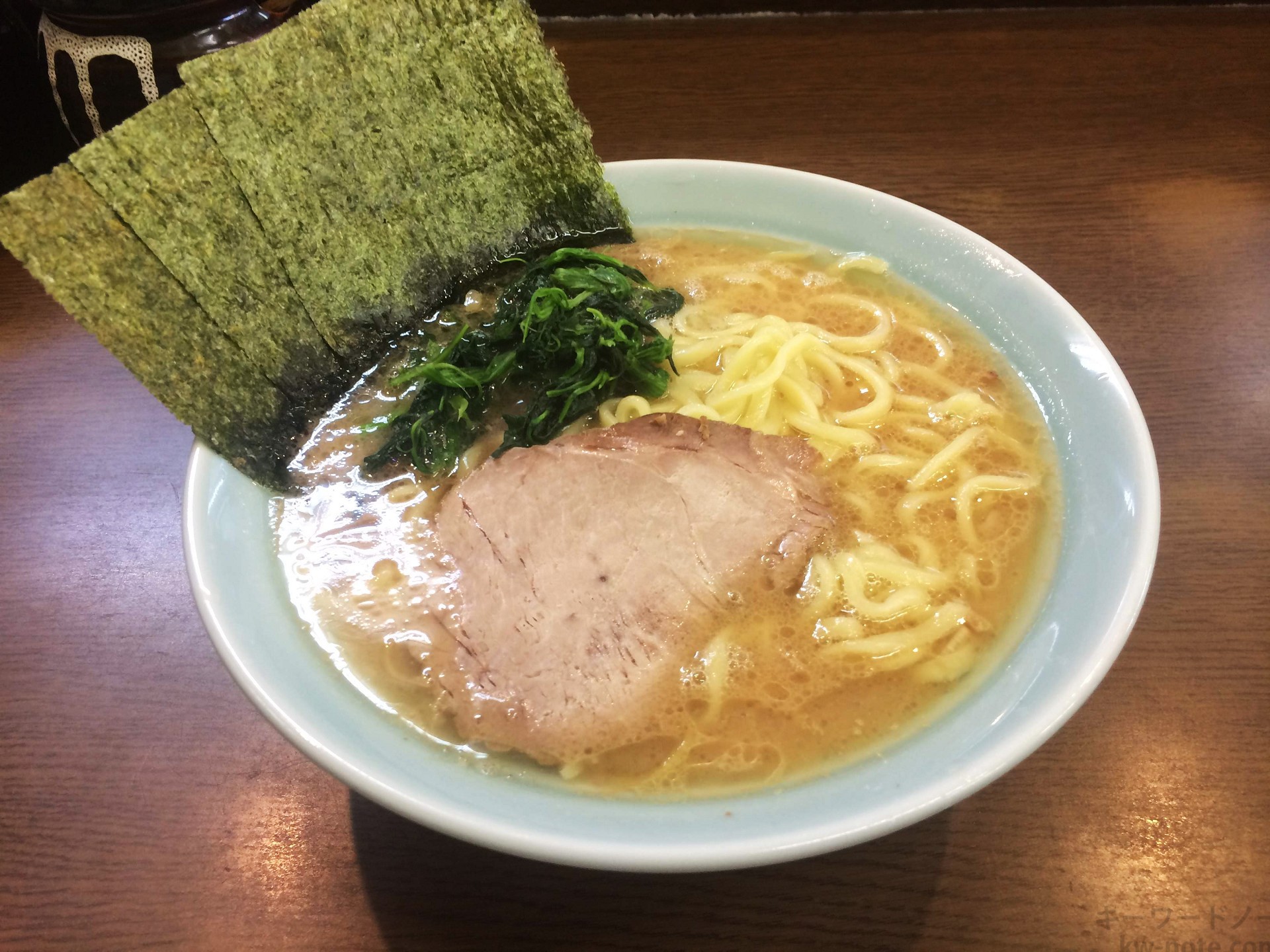
Today, this technique is used nationwide. A prominent example is “Iekei Ramen” (House-style), which originated in Yokohama. Iekei features a potent pork-and-soy-sauce broth and thick noodles. The defining characteristic of its oil layer is the use of Chicken Oil (Chiyu), which gives it a bright, savory golden sheen.
Oil Layer vs. Protein Film (Ramsden Phenomenon)
It is important not to confuse the “Oil Layer” with the thin, skin-like film that sometimes forms on rich tonkotsu (pork bone) broths.
The latter is a scientific occurrence called the “Ramsden Phenomenon.” When the protein-rich surface of the soup is exposed to air and cools, the proteins coagulate and trap fats, creating a thin membrane—similar to the skin that forms on boiled milk. While the “Oil Layer” is pure liquid fat, this “Protein Film” is solid enough to be lifted with chopsticks.